MEGA CATAMARÁN GALAPAGOS ELITE
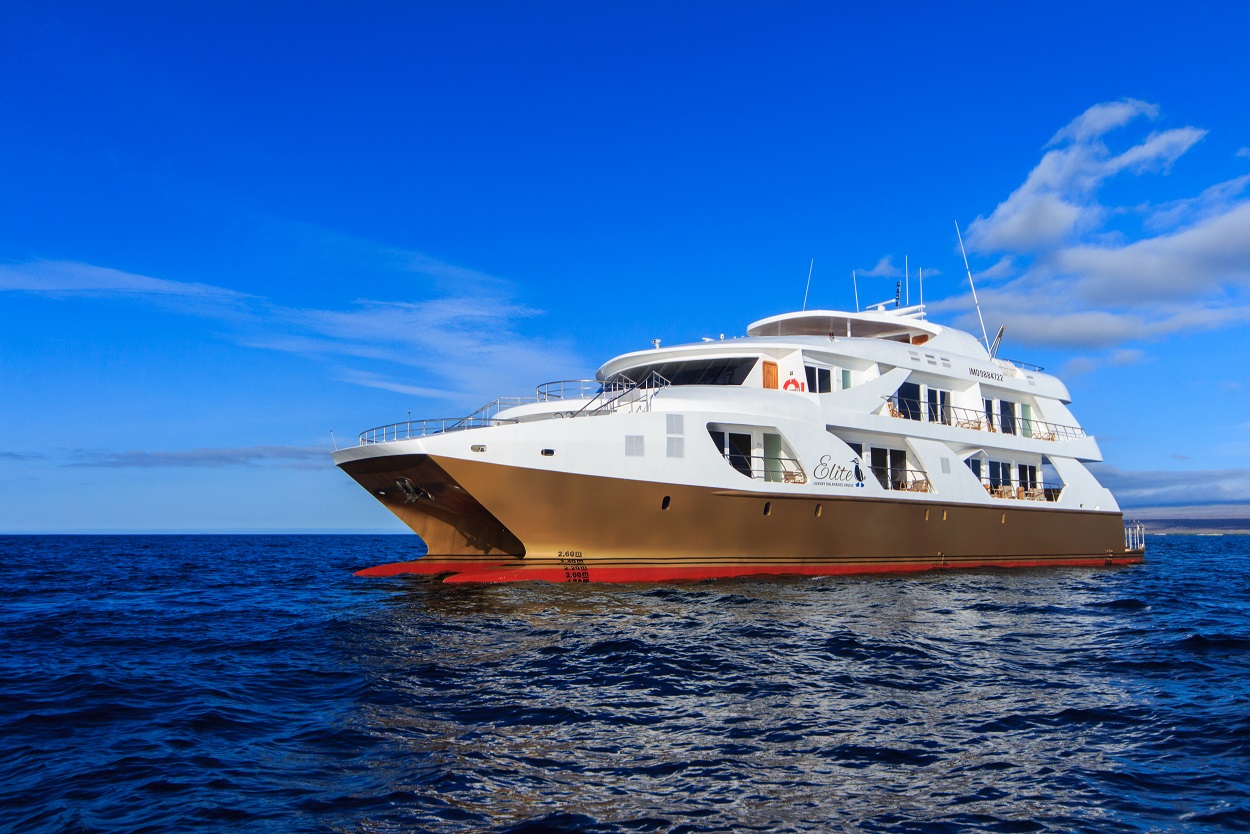
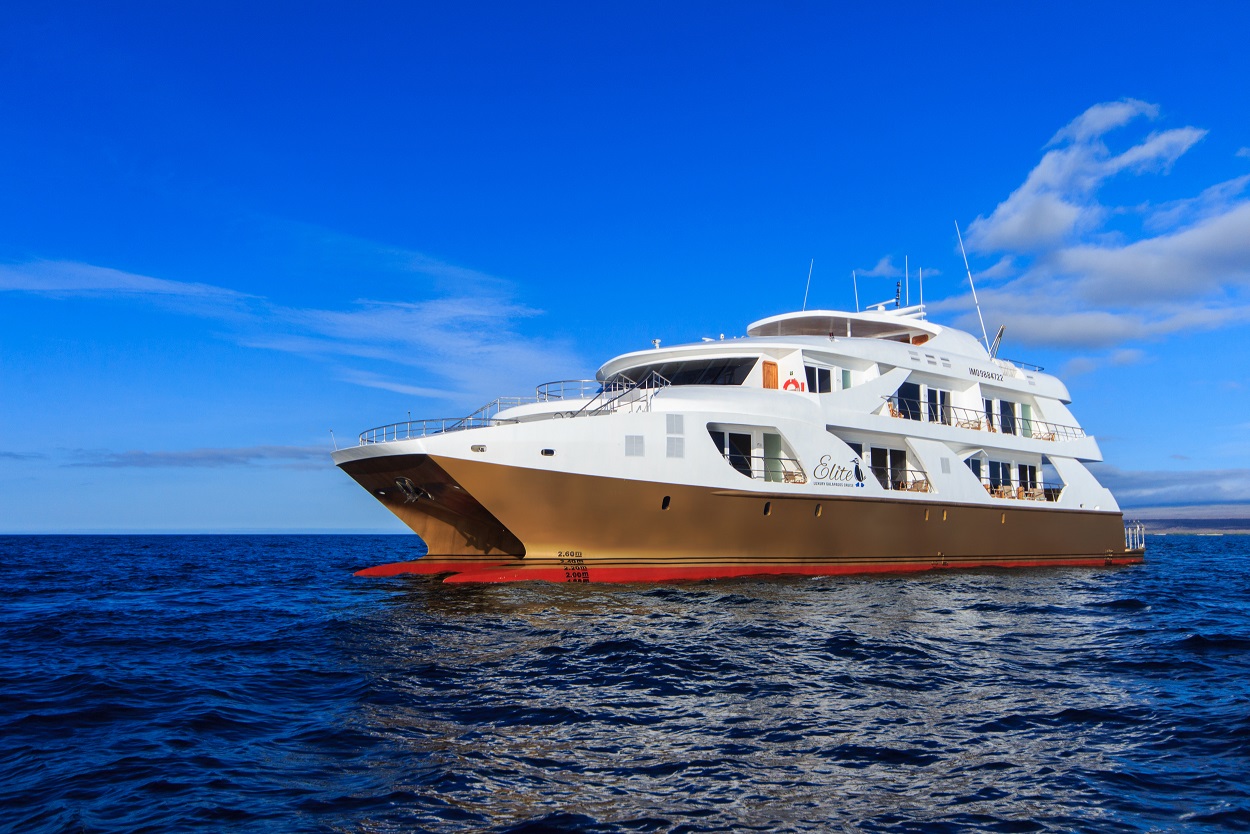
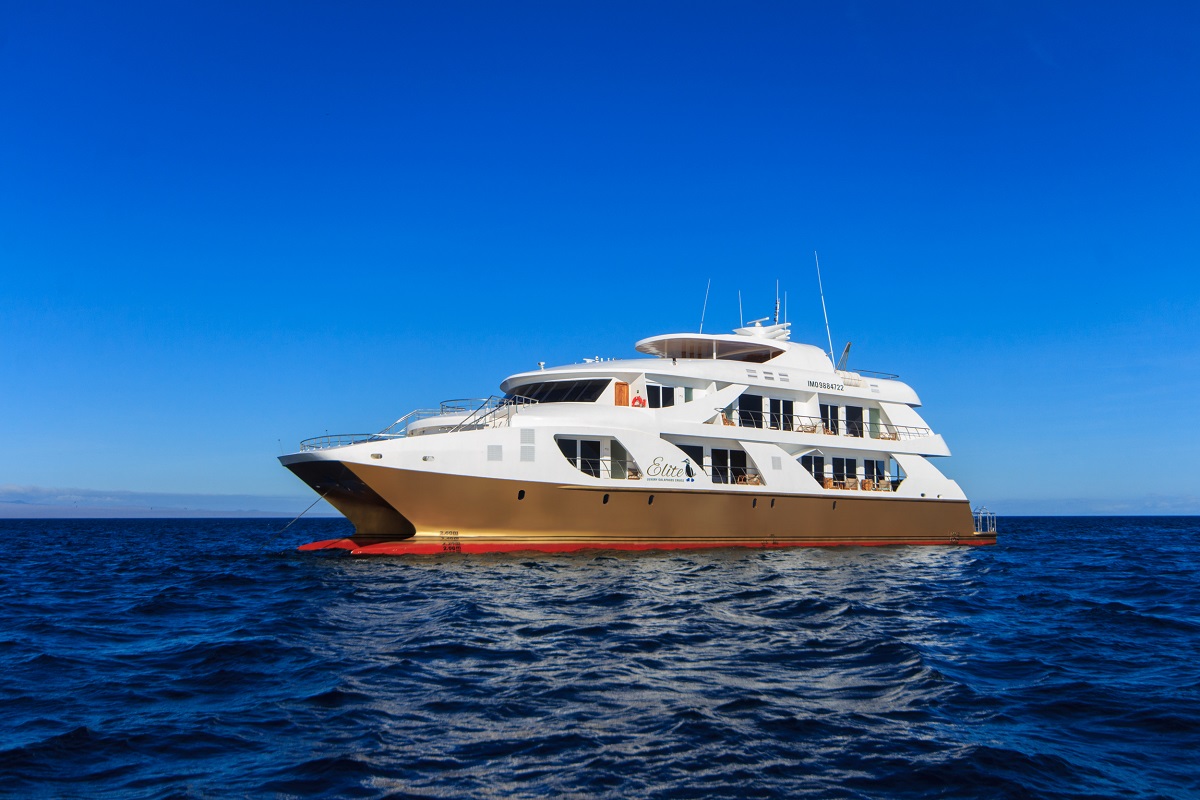
The Elite is the newest yacht on the Galapagos Islands, reinventing luxury, comfort and class! The Galapagos Elite was specifically designed for sailing the sapphire waters of the Enchanted Islands. A sleek, twin – hulled catamaran, it provides its guests with a steady, safe cruise.
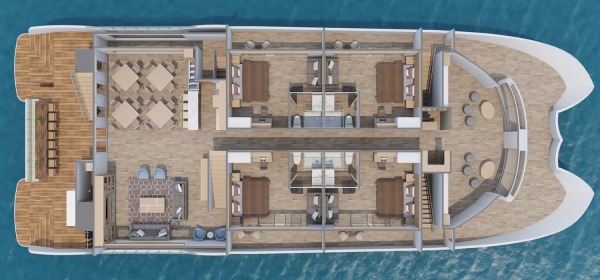
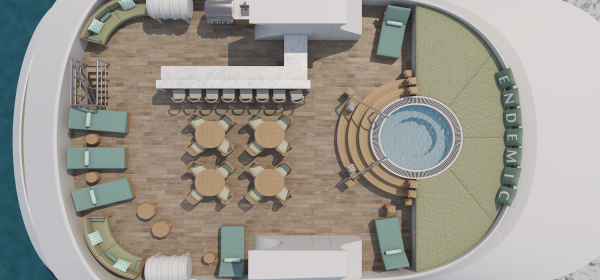
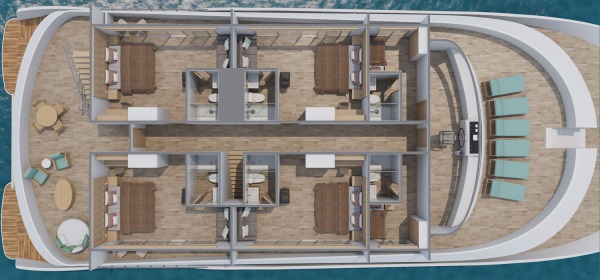
In addition to better stability, the design of the Elite allows for more space for everything on board, including social areas and golden suites. Guests of all ages enjoy the ample, semi-covered sky deck, the al fresco dining area and the cozy bar-salon.
All Golden Suites on board the Galapagos Elite are spacious, comfortable and well – appointed: the perfect place to relax and recharge after a day spent exploring the islands. Each suite has an ocean view and an outdoor balcony, as well as rainforest – style showers in a private bathroom. The catamaran offers a high-quality service and delicious gourmet cuisine. On board of the Elite travelers will find unique experiences with itineraries and routes to distant places of Galapagos. the best naturalist guides all set perfect for the traveler with high expectations.
Needless to say, the Galapagos Elite features state-of-the-art navigation computers and safety equipment: safety and reliability are essential parts of any Galapagos luxury experience.
TECHNICAL SPECIFICATIONS |
|
ACCOMMODATION |
|
Our cruise itineraries take you to isolated islands and remote visitor points teeming with unique wildlife. Join our short or long cruise itineraries to enjoy daily Elite cruise expeditions in the Galapagos led by top Galapagos National Park guides.
Elite 3-Night
Travel with your loved ones and head out on an adventure to the Galapagos! our newest luxury catamaran, the Elite, takes visitors on a three-night cruise in the Southeastern Galapagos. Throughout your four-day Galapagos island hopping tour, you’ll see plenty of wildlife, including tortoises, iguanas, numerous species of birds, and sea lions, among many others! On our cruise expeditions, you may even find spectacularly colored fish and sealife you never knew existed while snorkeling or paddle boarding off the side of the luxury catamaran. The Elite’s three-night Southeastern Galapagos cruise visits the islands of San Cristobal, Espanola, Floreana, and Santa Cruz, giving you a taste of various distinctive islands.
Day 1
Arrival to Puerto Baquerizo Moreno in San Cristobal Island. Reception and Assistance at the airport by our members and transportation to the Elite.
The Jacinto Gordillo Breeding Center, San Cristobal
The Jacinto Gordillo breeding center, named for a renowned environmentalist, is one of a handful of breeding centers in the Galapagos Islands. Located about an hour from the town, the center is home to hundreds of tortoises of different species and ages.
The staff at the center have a favorite tortoise: “Genesis,” one of the first ones hatched there in 2005. The tortoises are raised in a protected environment and eventually released into the wild when they are old enough to be safe from predators and forage for themselves.
Day 2
Suarez Point, Española
Universally considered one of the top five visitor sites in all of Galapagos, Suarez Point is an unforgettable hike along the rocky cliffs of the oldest of the Galapagos islands. Bird life abounds: visitors can hope to glimpse Blue-footed and Nazca Boobies, Red-billed Tropic Birds, Galapagos Doves and Galapagos Hawks, among others. The undisputed stars of the site, however, are the Waved Albatrosses.
These majestic birds range all over the world but only nest here on Española island. Visitors who come between January and March may not get to see many albatrosses, as they are all far away feeding, soaring over deep seas. Suarez Point is not only for birds: marine iguanas and lava lizards abound, and lucky visitors will spot a Galapagos Snake or two along the rocky trails.
Gardner Bay, Gardner and Osborn Islets, Española
Gardner Bay features a wide, pristine beach populated by sea lions, crabs and mockingbirds.
Day 3
Cormorant Point, Floreana
Cormorant point is a visitor favorite, as it features two memorable beaches, a picturesque walk and some interesting bird and plant life. Oddly enough, there are no Galapagos Cormorants here, but the flamingos make up for it! Visitors disembark on a sandy beach, which is greenish in color because of the special sand only found here. A short walk leads to a salty lagoon where flamingos feed and nest.
An easy trail leads to white sand beach on the other side of the point, this one wide and breezy. As you walk, your guide may point out the two species of plants which are only found here: Scalesiavellosa and Lecocarpuspinaffitidus. Lucky visitors will see stingrays in the gentle surf, or even sharks swimming a little further out.
Post Office Bay, Floreana
Long before the Galapagos Islands were a bucket-list travel destination, it was a common stop for grand wooden seafaring vessels such as whalers. The sailors placed a barrel a short way from a sheltered bay on Floreana Island and used it to drop off and receive letters from home.
Today, the yachts that serve the Galapagos are proud to continue this tradition: drop off letters and postcards in the barrel, and some other traveler will deliver them for you! Once you’ve flipped through the letters to see if there are any for your neck of the woods, you can enjoy some sun and sand on the small beach where passengers embark and disembark from the landing craft.
Day 4
Mosquera
Located between the islands of Baltra and North Seymour, Mosquera is one of a number of tiny islets in the Galapagos. Sandy and rocky, it is not home to much in the way of vegetation, but it is very popular with sea lions and birds, including gulls. You can also expect to see marine iguanas sunning themselves on the rocks and colorful Sally Lightfoot crabs scuttling about in the tidal pools. Shorebirds are fond of the island: look for them trotting along the beach.
After our early morning visit, passengers will get ready and then be taken to Baltra Airport, crossing the highlands of Santa Cruz Island by car. Our airport personnel will assist passengers with the check in process. Farwell and boarding the flight back to mainland Ecuador.
Elite 4-Night
Explore the Galapagos on a five-day vacation with your friends and family by booking a suite aboard the next-generation luxury catamaran, the Elite. Our four-night Central Galapagos cruise offers a luxurious option for cruising the azure waters of the Galapagos. During your five days on board the Elite, you’ll have access to all three decks—main, upper, and sky—all of which offer stunning panoramic views of the Galapagos. Preplanned excursions include a mixture of nature and wildlife sightseeing and water activities, such as snorkeling, kayaking, and paddleboarding.
Do you have any questions about the Elite’s four-night Central Galapagos cruise? Reach out to us! Our team can answer questions and help book your cruise and additional excursions to Peru and Ecuador.
Day 1
Arrival to Baltra Island Airport. Reception and Assistance at the airport by our members and transportation to our first visitor site.
Charles Darwin Research Station, Santa Cruz
The Fausto Llerena Giant Tortoise Breeding Center is managed by the Galapagos National Park Service and biologists from the Charles Darwin Research Station. The purpose of the center, named for a legendary park ranger, is to raise Galapagos tortoise hatchlings in a protected environment. When the tortoises are large enough to fend for themselves, they are released into the wild.
The program has been a great success and in recent years hundreds of young tortoises have been released on several islands. You will see different sub-species of tortoises in various species of development, from tiny young ones smaller than your fist to fully-grown behemoths lumbering about their enclosures. Your guide will accompany you and provide information about the programs and facilities.
Day 2
Prince Philip’s Steps/El Barranco, Genovesa Island
Genovesa Island is famous for bird life and neither of its two visitor sites disappoint. Genovesa is the remnant of a once-mighty volcanic crater, and the island still has a distinctive crescent shape. The body of water formed by the crescent is called Darwin Bay, in spite of the fact that Charles Darwin did not ever visit this particular island.
In the morning, you will visit the Prince Philip’s Steps site. Getting to the visitor site from the landing area is tricky and involves a bit of climbing skill, but once you’re up, Prince Philip’s Steps is a visitor favorite. There is a magnificent view from the upraised plateau, especially on a clear day.
Following the visit, guests will get to snorkel in the sheltered waters of the bay. Although deep water currents can sometimes cause the water to be chilly or cloudy, the crescent shape of the island protects the bay from strong winds.
Day 3
Buccaneer Cove and Espumilla Beach, Santiago
Back in the days of the great sailing ships, the Galapagos Islands were well known as a place where a traveling ship could stock up on food and water. Among the visitors were pirates, and the sheltered bay now known as Buccaneer Cove was a favorite place for them to repair their ships.
On the coastal portion of the trail, you can expect to see numerous sea lions, marine iguanas, and shore birds. The coast is rocky due to its volcanic formation, but easy enough to walk along. Look in the shallow tidal pools: you never know what might have gotten stranded in there when the tide went out, and you might spot a stingray or an octopus in addition to the small fish usually found there.
Day 4 Friday
Bachas Beach, Santa Cruz
Bachas beach is one of the more beautiful ones in all of Galapagos – and that’s really saying something. It is a long stretch of pristine white sand where sea lions lounge and crabs scuttle back and forth. It was used by the Americans during World War Two: “Bachas” is actually a version of the word “barges,” which were once landed here.
Sea turtles nest in some of the sand dunes here, and your guides will ask you to stay clear of the marked areas so as not to disturb the eggs.
A short distance away are two salty lagoons where flamingos are frequently seen. There is no real hike here: only the warm, sandy beach. After a stroll along the sand and a refreshing dip, some of our guests like to do some easy snorkeling in the gentle surf.
You will stay in the highlands of Santa Cruz island to see giant tortoises in the wild. These impressive animal gives the name to the archipelago. You can easily appreciate the Galapagos giant tortoises in their natural habitat, eating, walking among others. This is also a good place to see birds such as short-eared owls, Darwin’s finches, yellow warblers, Galapagos rails and paint-billed crakes.
As part of this experience, you will visit underground lava tubes formed by cooled and solidified lava. Then we will continue our journey to board the M/C Elite.
Day 5 Saturday
Lobos Island, off San Cristobal
Isla Lobos, or “Sea Lion Island,” is a long, thin island not far off the coast of San Cristobal Island. As the name implies, it is home to a healthy colony of sea lions. There is a trail on the island, and visitors can see different species of birds, including Boobys of both the Blue-footed and Nazca varieties.
There are marina iguanas and lava lizards on the island as well. In addition to the hike on the islet, the calm channel between Lobos Island and San Cristobal is one of the better snorkeling spots in the islands, as it is usually calm and the sea lions often frolic with visitors.
After our early morning visit, passengers will get ready and then be taken to San Cristobal Airport. Our airport personnel will assist passengers with the check in process. Farwell and boarding the flight back to mainland Ecuador.